

Seasonal Cleanup Cycles Drive Surge in Short-Term Dumpster Demand Across Southeast Michigan
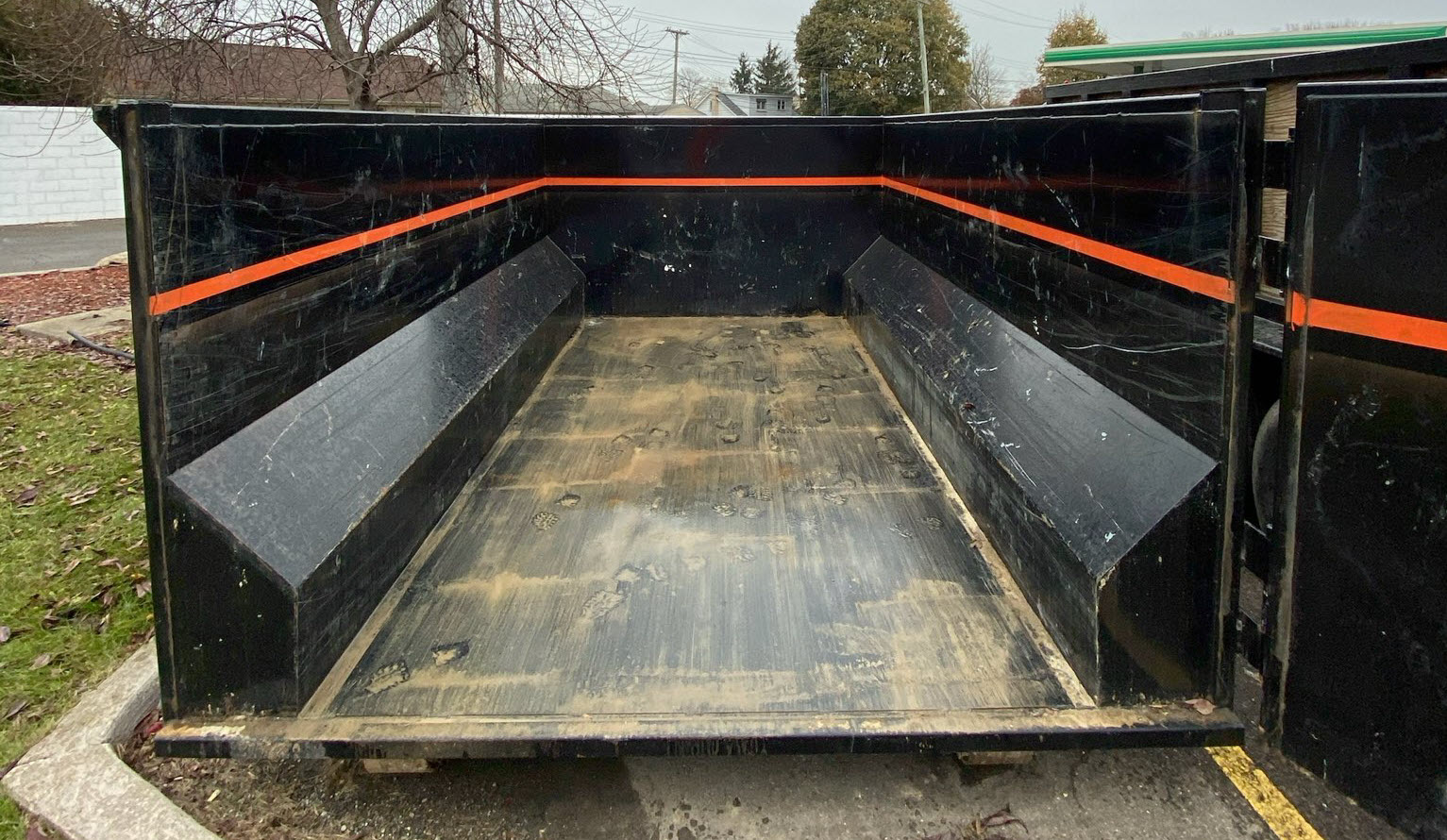
Dumpster container supporting residential spring cleanup project.
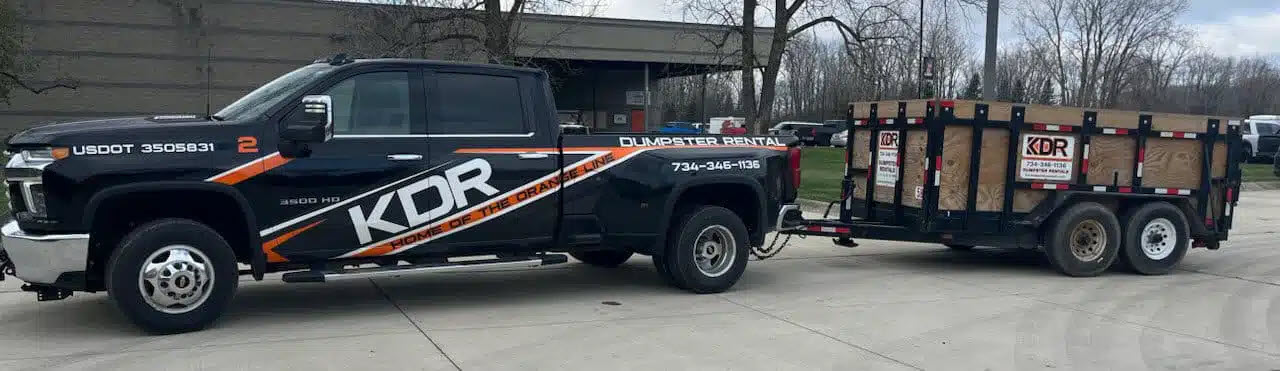
Roll-off container staged for exterior landscaping debris disposal.
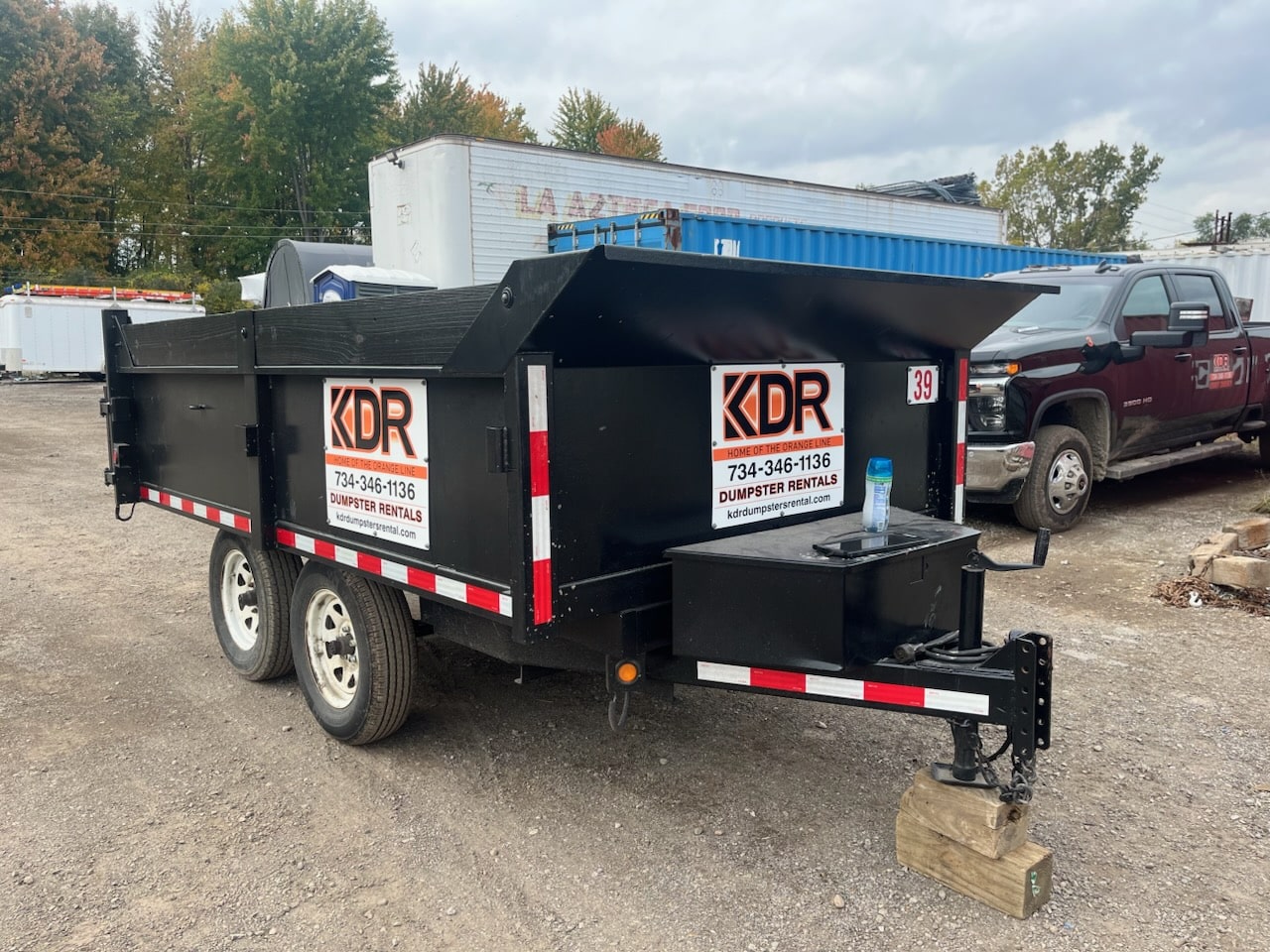
Mixed seasonal debris contained during residential property cleanup.
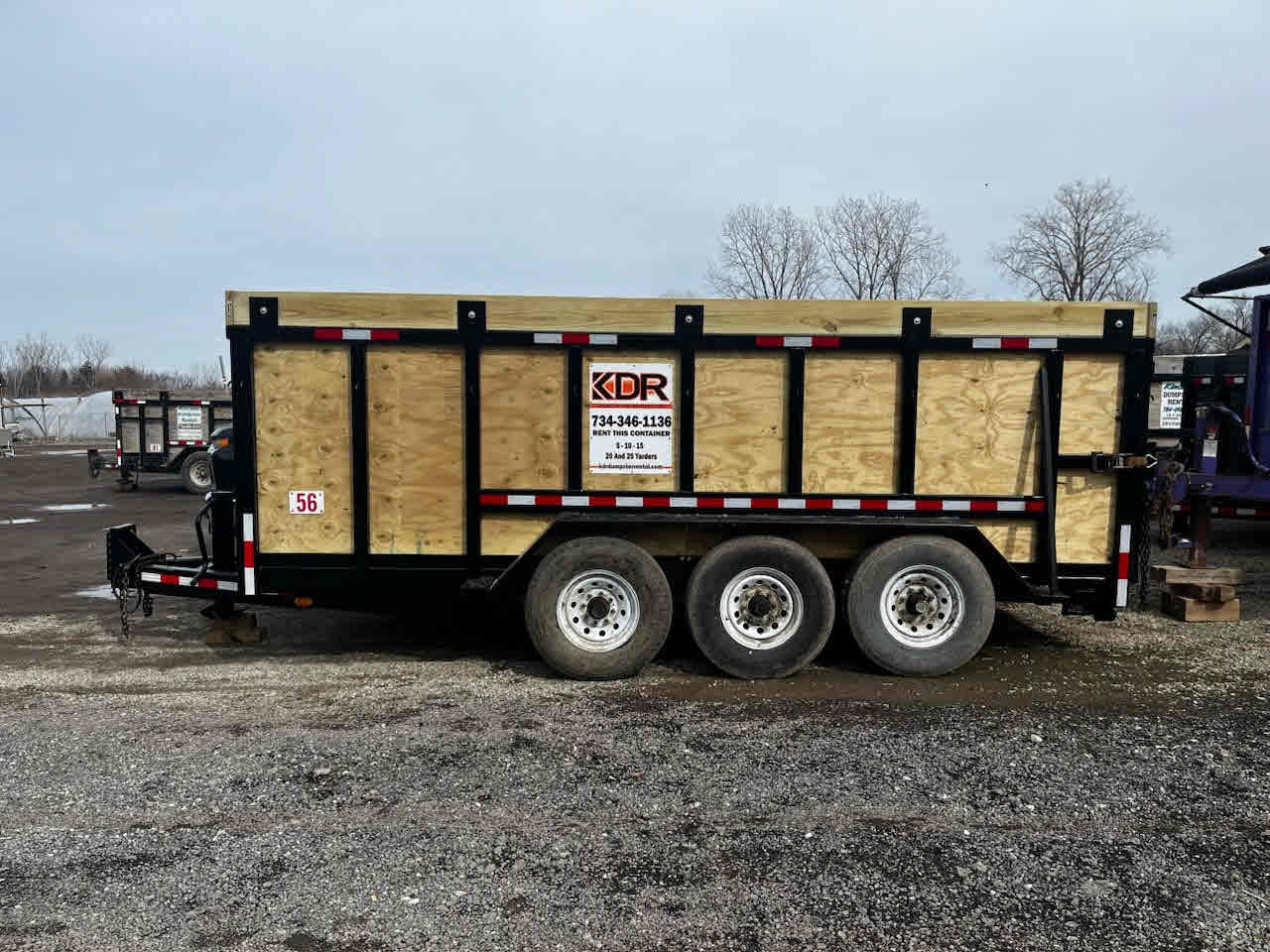
Short-term dumpster deployment supporting fall property maintenance.
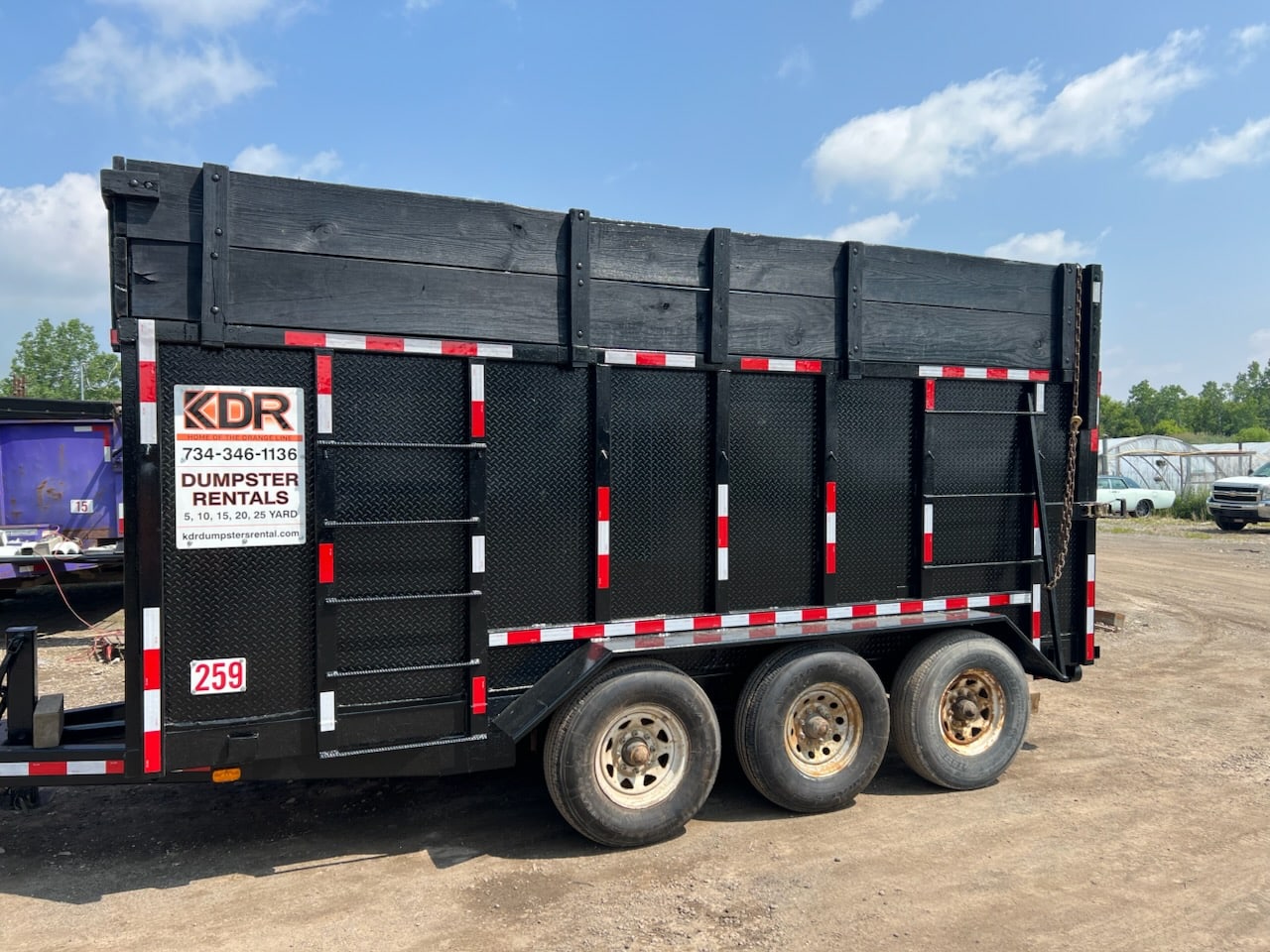
Completed property cleanup following seasonal debris removal.
Home cleanouts, landscaping projects, and seasonal property maintenance are fueling increased demand for temporary waste containment solutions.
Property cleanouts, landscaping upgrades, and weather-driven maintenance projects are reshaping regional disposal demand patterns.
Across Southeast Michigan, seasonal cleanup cycles continue to play a significant role in shaping residential and light-commercial waste removal needs. Spring and fall, in particular, generate measurable increases in short-term debris volume as homeowners undertake property maintenance, decluttering initiatives, and exterior improvement projects.
These seasonal disposal surges are influencing how waste containment services are scheduled, deployed, and managed across municipalities and private job sites alike.
Spring Cleanup Drives Initial Waste Volume Spikes
As winter conditions recede, homeowners begin addressing deferred maintenance tasks that accumulated during colder months. Storm debris, fallen branches, damaged fencing, and exterior material deterioration often require removal before landscaping or structural upgrades can begin.
Interior cleanouts also rise during this period. Basements, garages, and storage spaces frequently become focal points for decluttering efforts tied to seasonal transitions or moving plans.
These combined activities generate demand for temporary waste removal solutions capable of handling mixed debris streams over short deployment windows.
Landscaping and Exterior Projects Add Disposal Demand
Warmer weather also marks the start of landscaping upgrades, fencing installations, deck replacements, and driveway improvements. These projects generate bulky material waste such as soil, concrete, wood, and vegetation debris.
Containment infrastructure must accommodate both heavy construction materials and organic waste streams simultaneously. Contractors and property owners often rely on roll off dumpster rental equipment to manage these diverse disposal requirements efficiently.
The flexibility of roll-off containers allows them to support projects ranging from residential yard renovations to full exterior property transformations.
Fall Cleanouts Mirror Spring Disposal Patterns
Autumn introduces a second major disposal cycle as homeowners prepare properties for winter conditions. Leaf accumulation, yard waste, roofing repairs, and pre-winter structural maintenance all contribute to debris volume increases.
Moving transitions and estate cleanouts are also more common during this period, further expanding containment demand. Temporary container deployments allow property owners to manage these projects without overwhelming municipal curbside waste systems.
Short-term containment remains central to managing these disposal surges effectively.
Short-Term Rentals Reflect Changing Consumer Behavior
Unlike construction projects that may require multi-week containment, seasonal cleanouts often generate concentrated debris volumes within shorter timeframes. Homeowners may require containers for only a few days while completing focused cleanup efforts.
This trend has contributed to increased demand for short-term dumpster rental scheduling models that align with weekend projects, contractor availability, and municipal pickup cycles.
Flexible rental durations allow property owners to scale disposal capacity according to project scope without committing to extended deployment periods.
Municipal Waste Systems Experience Seasonal Strain
Municipal waste infrastructure must adapt to these cyclical disposal surges. Transfer stations and landfill intake facilities often report peak intake volumes during spring and fall cleanup windows.
Household waste, renovation debris, landscaping materials, and storm cleanup loads frequently converge within compressed timeframes. Private containment services play a key role in supplementing municipal capacity during these peak periods.
Partnerships between disposal providers and municipal systems help maintain intake efficiency while reducing curbside overflow challenges.
Safety and Compliance Considerations Influence Containment Use
Seasonal cleanup projects can generate hazardous or regulated materials, including treated lumber, roofing shingles, and chemical containers. Proper containment and disposal practices help ensure environmental compliance while minimizing safety risks.
Using designated containment systems reduces illegal dumping risks and supports responsible waste management practices across residential communities.
Disposal Planning Remains a Year-Round Consideration
While seasonal cleanup cycles drive predictable disposal surges, property maintenance and improvement initiatives occur year-round. Weather events, renovation projects, and relocation transitions continue to influence waste removal demand beyond peak cleanup seasons.
As Southeast Michigan’s housing inventory continues to age and property investment activity remains strong, short-term containment solutions are expected to remain a foundational component of residential waste logistics planning.
Scott Kincaide
KDR Dumpster Rental
+1 734-304-7075
scott@kdrdumpsterrental.com
Visit us on social media:
Facebook
YouTube
Other
How Seasonal Cleanup Projects Increase Dumpster Rental Demand
Legal Disclaimer:
EIN Presswire provides this news content "as is" without warranty of any kind. We do not accept any responsibility or liability for the accuracy, content, images, videos, licenses, completeness, legality, or reliability of the information contained in this article. If you have any complaints or copyright issues related to this article, kindly contact the author above.
