

FTC Order Requiring Disney Pay for COPPA-Related Issues Highlights Data-Privacy Due Diligence for Youth-Facing Content
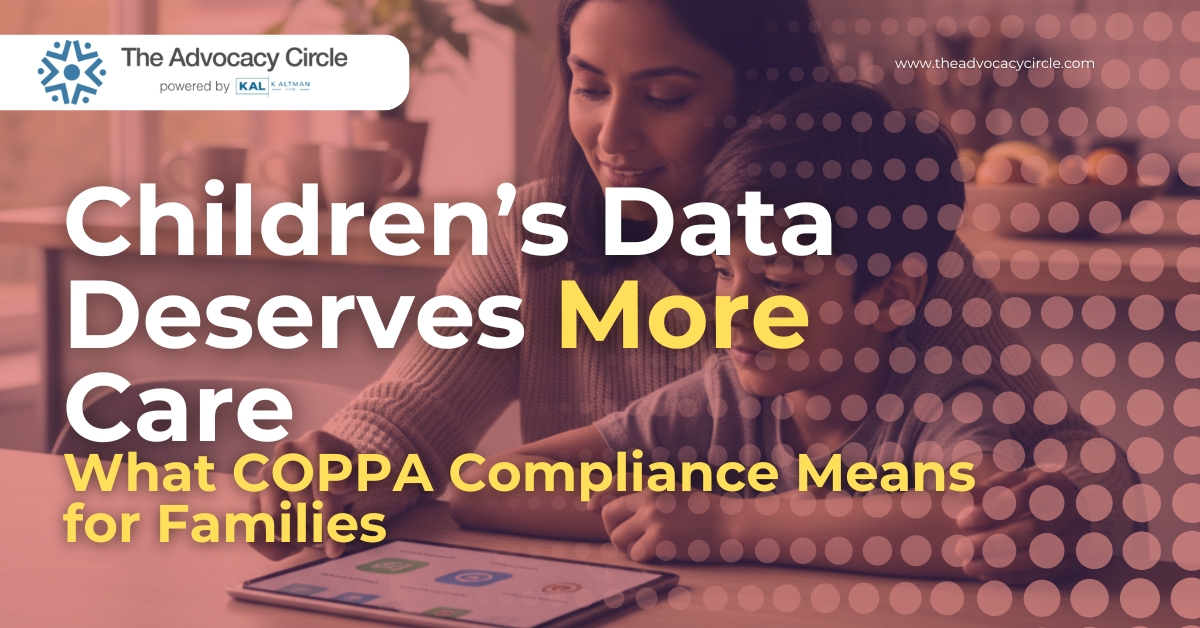
FTC action on COPPA compliance highlights why families should look closely at how youth-facing digital tools collect and use children’s data.

Dan Rothfeld, Chief Operating Officer of The Advocacy Circle
An FTC order tied to COPPA compliance underscores why youth-facing digital tools must prioritize data minimization, transparency, and privacy.
What happened:
In December 2025, the Federal Trade Commission announced a court-approved order requiring Disney to pay $10 million to resolve allegations tied to COPPA compliance involving certain YouTube channels.
For families, the key takeaway is not about one company, it is a reminder that youth-facing digital experiences require extra care around data collection and targeted advertising practices.
What COPPA means operationally for products and platforms:
COPPA creates heightened obligations when services are directed to children under 13 or when operators have actual knowledge that they are collecting personal information from children.
Even where schools and families use tools designed for learning support, privacy hygiene should be treated as a core product requirement, not an afterthought.
Practical risk management steps for families and providers:
Families can ask whether a tool collects personal information, uses cookies or trackers, or shares data with third parties for advertising purposes.
Providers and developers should keep children’s privacy policies clear, minimize data collection, and ensure ad and analytics settings align with COPPA and other applicable privacy laws.
“When technology touches children, the privacy standard is higher. The safest path is to minimize data collection, be transparent about what is collected, and avoid surprise uses of information.” — Dan Rothfeld, COO
What families and students should do now:
• Review a platform’s privacy policy for child-directed features and ad/tracking disclosures.
• Use privacy settings to limit tracking and personalized advertising where available.
• Prefer tools that collect only what they need and explain data use in plain language.
• If a school recommends a tool, ask what vetting was done and what data protections apply.
Next step:
If you are choosing tools for a child, prioritize products that are transparent, data-minimizing, and designed with children’s privacy in mind.
About The Advocacy Circle (TAC):
The Advocacy Circle (TAC) is an education support platform designed to help families and advocates organize information, understand process steps, and access practical tools related to IEP/504 support and school problem-solving. TAC is not a law firm and does not provide legal advice.
Disclaimer:
This release is for general informational purposes only and is not legal advice. Outcomes depend on the specific facts and applicable law, which vary by jurisdiction. If you need advice about a specific matter, consult a qualified professional in your jurisdiction
Dan Rothfeld
The Advocacy Circle
+1 248-919-4407
TAConline@theadvocacycircle.com
Visit us on social media:
Instagram
Facebook
Legal Disclaimer:
EIN Presswire provides this news content "as is" without warranty of any kind. We do not accept any responsibility or liability for the accuracy, content, images, videos, licenses, completeness, legality, or reliability of the information contained in this article. If you have any complaints or copyright issues related to this article, kindly contact the author above.
